How to Detect AI Images Before You Share Them
Patrick Bushe
April 6, 2026 · 6 min read
AI images are now everywhere. Some are harmless creative experiments. Others are scams, fake news assets, or misleading product photos. If you publish or share images for work, marketing, or social media, verifying image authenticity is now basic hygiene.
Why This Matters
A single fake image can damage trust with your audience. For creators and businesses, reposting synthetic images as real can hurt brand credibility. For readers, sharing false visuals can spread misinformation quickly.
The Fast Verification Workflow
Step 1: Run the image through AI Image Detector.
Step 2: Reverse search the same image to find earlier versions.
Step 3: Zoom in on hands, text, jewelry, and background edges.
Step 4: Check context: source account history, posting cadence, and caption claims.
Step 5: Decide confidence level, not certainty. Mark images as unverified when needed.
What AI Detectors Are Good At
AI detectors are strong at pattern-level signals that humans miss, especially in polished synthetic images that look realistic at first glance. They can help triage quickly when you have many assets to review.
AI Consulting
Need Help Implementing AI?
Get a practical AI roadmap, implementation support, and automation strategy tailored to your business.
Explore AI ConsultingRecommended Extension
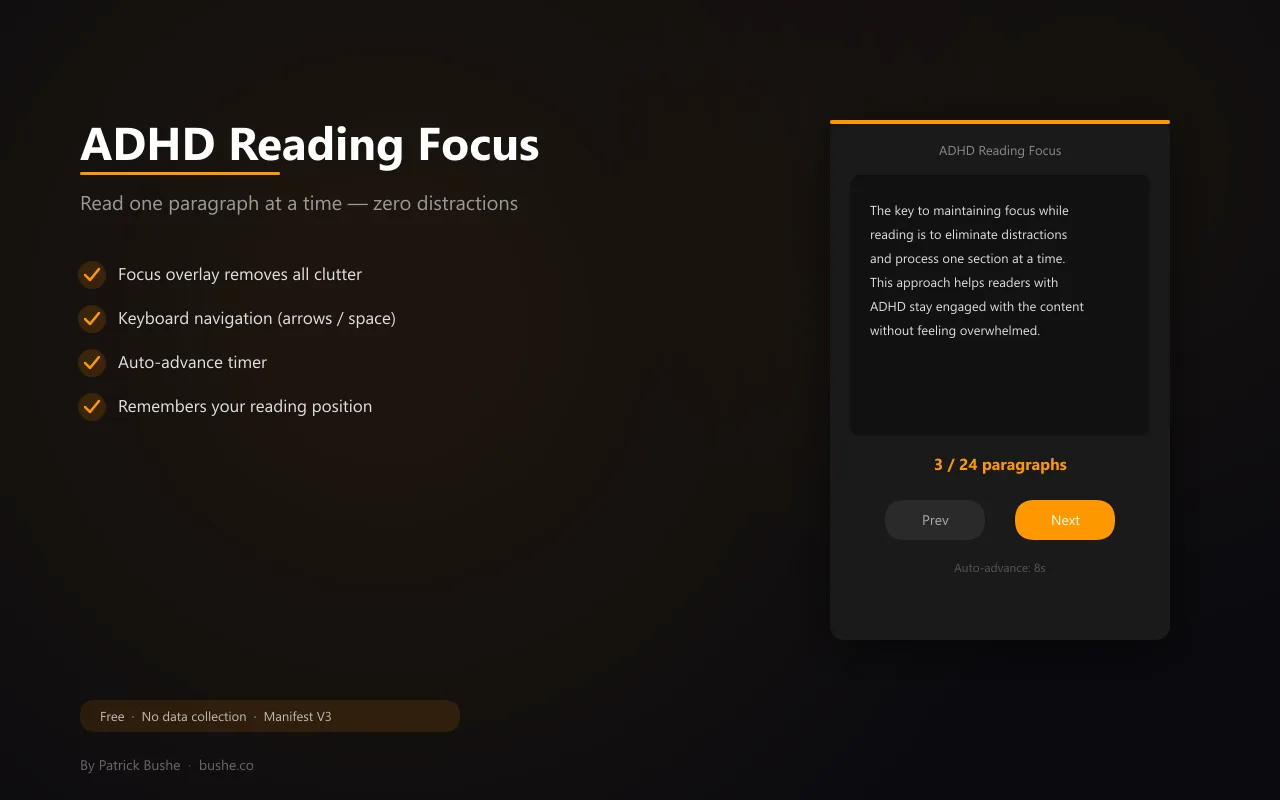
ADHD Reading Focus
Read web pages one paragraph at a time in a distraction-free dark overlay. Keyboard controls, auto-advance, adjustable font size.
Open in Chrome Web StoreWhat AI Detectors Cannot Guarantee
No detector is perfect. Image compression, edits, screenshots, or filters can reduce detection confidence. Treat detector output as a decision aid, not courtroom proof.
Best Practices for Teams
Create a lightweight editorial rule: any high-impact image gets a detector check plus a reverse search. Save a screenshot of results for internal documentation. If risk is high, request original source files from submitters.
When to Flag an Image Publicly
If you cannot verify authenticity, use clear wording like: 'This image appears to be AI-generated' or 'Authenticity not confirmed.' This protects your audience without overclaiming.
Final Takeaway
AI image verification is now part of responsible publishing. A 60-second check can prevent costly mistakes and protect trust.