A Teacher's Guide to Checking AI-Generated Images in Student Work
Patrick Bushe
April 17, 2026 · 6 min read
AI tools are now part of student workflows. That includes image generation for slides, reports, posters, and media projects. Schools need policies that are fair, transparent, and practical.
Start With Policy Clarity
Define whether AI-generated visuals are allowed, restricted, or allowed with disclosure. Students should know expectations before they submit work.
Use Detection as Evidence Support, Not Automatic Proof
Run suspicious images through AI Image Detector, but do not rely on a single score alone. Combine it with assignment context, source citations, and student process notes.
A Fair Review Workflow
1. Request original source files or drafts.
2. Ask for prompt history or creative process notes when relevant.
3. Use detector results as one input in a broader review.
4. Offer students a chance to explain ambiguous cases.
AI Consulting
Need Help Implementing AI?
Get a practical AI roadmap, implementation support, and automation strategy tailored to your business.
Explore AI ConsultingRecommended Extension
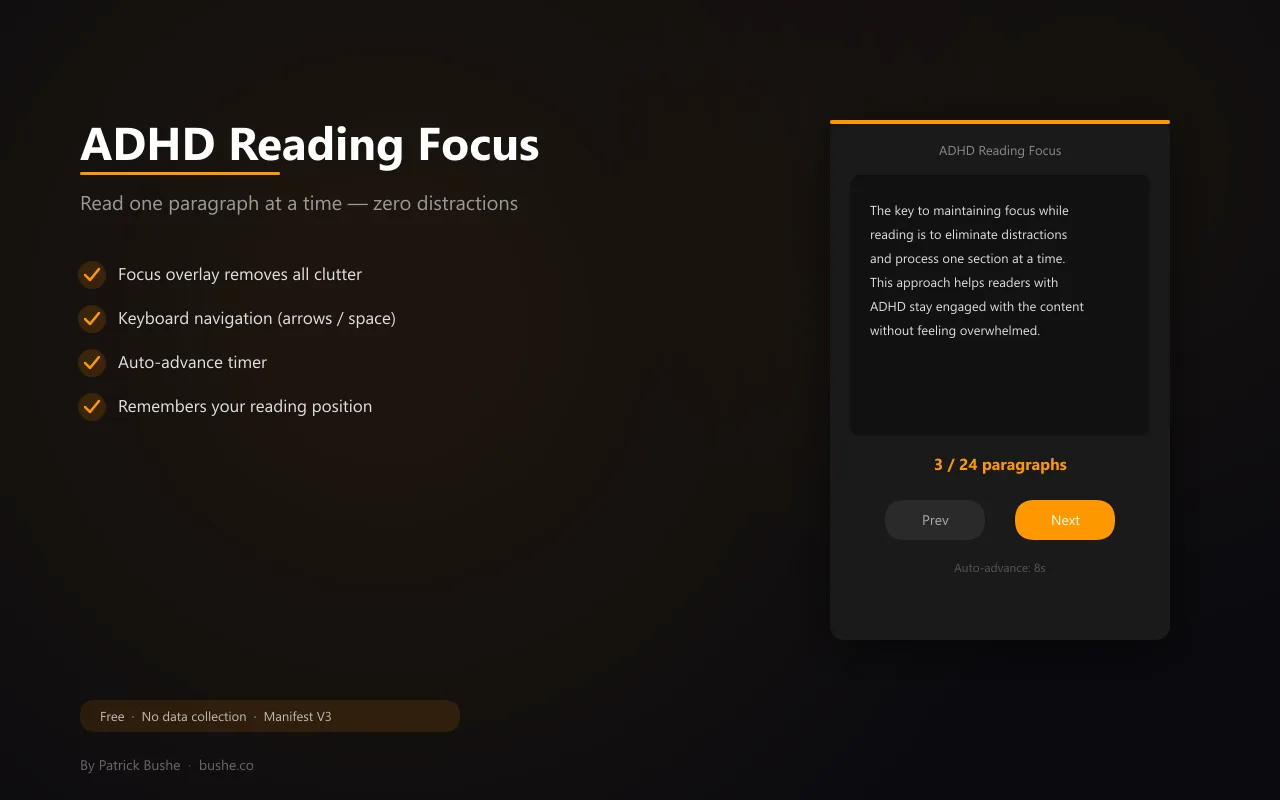
ADHD Reading Focus
Read web pages one paragraph at a time in a distraction-free dark overlay. Keyboard controls, auto-advance, adjustable font size.
Open in Chrome Web StoreWhat to Look for Manually
Inconsistent text rendering, unnatural object boundaries, repeated visual artifacts, and implausible lighting are common signals. But remember: edited real photos can also look unusual.
Classroom-Friendly Disclosure Rule
A simple standard works well: 'If AI tools were used to generate or edit visuals, include a short disclosure in your references section.'
Why This Approach Works
It supports academic integrity without turning every assignment into an accusation. Students learn responsible use, and teachers keep evaluation standards consistent.
Final Takeaway
AI image detection helps educators make better decisions, but fairness comes from process, not a single tool result. Pair clear policy with transparent review steps.