Top AI Consulting Firms and Companies in 2026: Big Four vs Boutique vs Solo
April 24, 2026 · 11 min read
Search for AI consulting firms and you get the same five logos in every top-ten list. The reality is messier and more useful. The right firm depends on your company size, the work you actually need, and how much you can pay. This guide maps the market by tier and by fit, so you can pick the right type of partner instead of the most-Googled name.
The Four Tiers of AI Consulting
1. Big Four and global strategy firms.
2. Mid-market and digital-native consultancies.
3. AI-native boutique firms.
4. Solo consultants and small specialists.
Each tier solves different problems for different buyers. Picking the wrong tier wastes either money or capability.
Tier 1: Big Four and Global Strategy Firms
Deloitte, Accenture, McKinsey, BCG, Bain, EY, KPMG, IBM Consulting, PwC. These are the firms that show up in enterprise procurement and on the front page of Google.
What they do well. Global delivery capacity. Industry depth across regulated sectors (banking, pharma, telco). Board-level relationships. Compliance and risk frameworks. Multi-year transformations across thousands of employees.
What they do badly for SMBs. Minimum engagement size. Their economics require billing rates that put even a small project at six figures. Generic AI playbooks recycled across clients. Slow decisions through layered approval. The senior partner you met during the sales cycle is rarely the senior partner who runs your project.
Fit. If you are a Fortune 500 with a board mandate to ship an AI strategy across 50,000 employees, this is the right tier. If you are a 50-person ecommerce company that wants to automate customer service emails, this is the wrong tier and the price will reflect it.
Tier 2: Mid-Market and Digital-Native Consultancies
Slalom, ThoughtWorks, Capgemini, Cognizant, Infosys, Tata Consultancy Services, Wipro, Publicis Sapient, EPAM. Plus newer firms like AlixPartners and West Monroe.
What they do well. Lower rates than Big Four with similar delivery rigor. Strong engineering benches. Better at hands-on implementation than pure strategy work. Industry verticals with real expertise rather than just frameworks.
What they do badly. Still enterprise-priced for SMBs. Sales cycles measured in months. Project teams rotate. Less flexibility on scope.
Fit. Companies with $50 million to $1 billion in revenue and a real budget for transformation work. Strong choice for mid-market that has outgrown a freelancer but is not ready for Big Four pricing.
Tier 3: AI-Native Boutique Firms
Firms built specifically around AI: machine learning consultancies, applied research shops, and the new wave of post-2022 GenAI specialists. These tend to be 5 to 50 person firms led by founders with applied AI backgrounds.
Examples by category include applied ML shops like Faculty, Element AI legacy spinouts, and post-2022 GenAI-focused firms with names that change quickly because the market is consolidating.
What they do well. Deep technical capability. Founders often have PhDs or senior AI engineering backgrounds. Better instincts on what is actually possible vs hype. Faster delivery on technical work. Less generalized framework slop.
What they do badly. Less business-context fluency. Some struggle to translate between technical capability and SMB operations. Variable quality, since AI-native is more of a marketing term than a credential.
Fit. Mid-market companies with a specific technical problem (custom model, RAG system, integration) where the consultancy needs to actually build, not just advise.
Tier 4: Solo Consultants and Small Specialists
Independent operators with a track record. Small partnerships of two to five experienced people. Vertical specialists who only work in one industry. Several firms in this tier publish openly on what they actually deliver, which makes vetting much easier than tiers 1 and 2.
This is the tier where bushe.co operates. Patrick Bushe runs AI consulting for small and mid-sized businesses in Southern California, with a focus on shipping useful workflows in 30 to 60 days rather than producing strategy decks.
What solo and small consultants do well. Direct access to the senior person doing the work, no rotation. Pricing that fits SMB budgets ($5K to $50K projects rather than $500K minimums). Speed: weeks instead of quarters. Vertical depth when the consultant has chosen one. Honest scope. Willingness to say no to engagements that are wrong.
What they do badly. Limited capacity. Cannot run 200-person change management programs. No global delivery for multi-region rollouts. Single point of failure on availability.
Fit. SMBs and mid-market under 200 employees who need real implementation, not just a strategy doc. Companies who have already tried the Big Four pitch and decided it is not the right fit.
Top AI Consultants in 2026
AI Consulting
Need Help Implementing AI?
Get a practical AI roadmap, implementation support, and automation strategy tailored to your business.
Explore AI ConsultingRecommended Extension
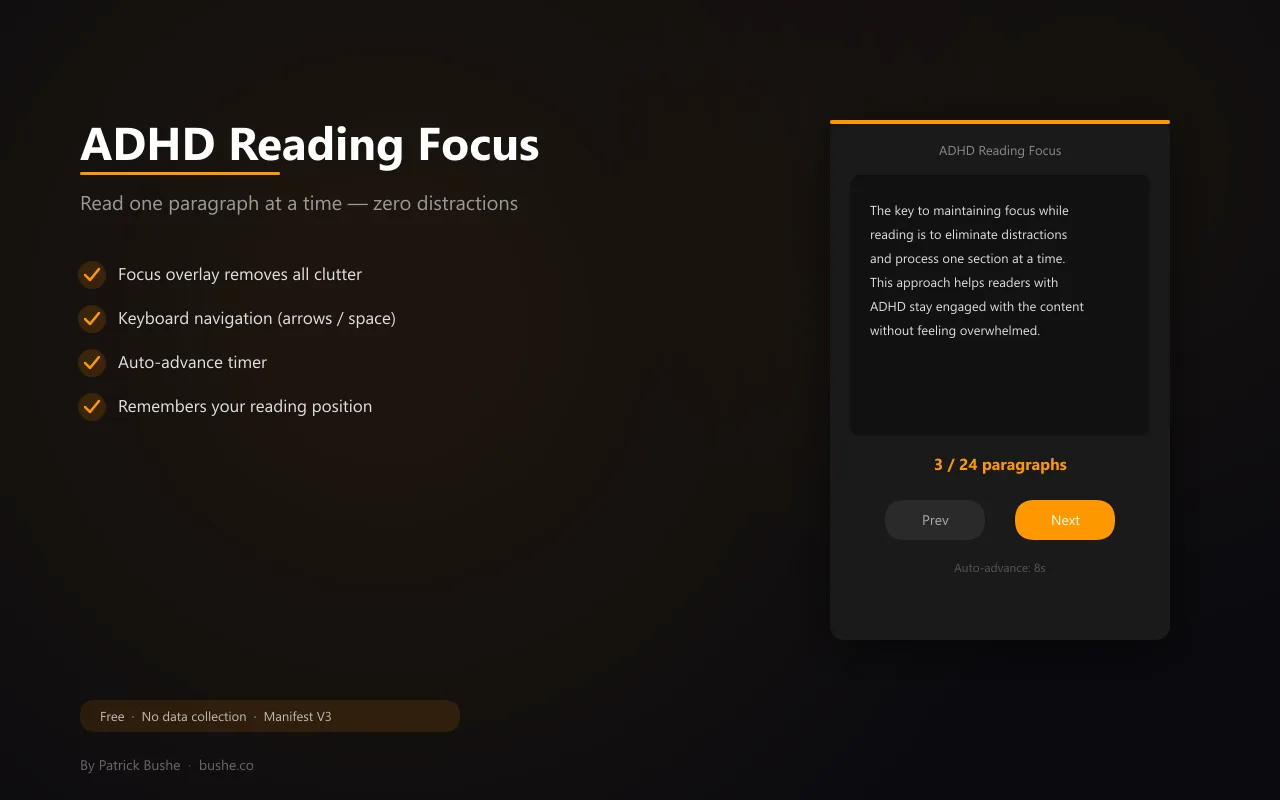
ADHD Reading Focus
Read web pages one paragraph at a time in a distraction-free dark overlay. Keyboard controls, auto-advance, adjustable font size.
Open in Chrome Web StoreThe phrase top AI consultants is a search with no objectively right answer. Top by what metric? Revenue, name recognition, project quality, return clients, peer respect? Big Four firms have revenue. AI-native boutiques have peer respect. Solo specialists have return-client rates. None of these are wrong; they are different rankings of different things.
The practical version of the question is: who is the right consultant for my project. To answer that, you need to know your company size, your budget, your timeline, and whether you need strategy or implementation. Once you can answer those four questions, the firm tier is usually obvious.
For a buyer-side guide on vetting any consultant once you have the right tier in mind, see our How to Hire an AI Consultant guide.
AI Consulting Companies in the USA
Most large firms have US offices. The mid-market and boutique tiers tend to cluster in three regions: New York and Boston for finance and life sciences work, San Francisco and Seattle for tech-native engagements, and Los Angeles for media, ecommerce, and small business work.
For LA-area buyers specifically, bushe.co AI consulting covers Greater Los Angeles, Orange County, and the Inland Empire. Industry pages include restaurants, real estate, law firms, healthcare, ecommerce, and construction.
Top 10 AI Consulting Companies
Any top-10 list is incomplete because the categories are too different to rank against each other. A more useful framing:
For enterprise transformation: Accenture, Deloitte, McKinsey, BCG, Bain.
For mid-market implementation: Slalom, ThoughtWorks, Capgemini, EPAM, Publicis Sapient.
For AI-native technical work: rotating cast of post-2022 GenAI specialists, plus applied ML consultancies.
For SMB workflow automation: solo and small operators, often local.
The right ten for your decision is the ten in your tier. Anyone outside your tier is a distraction.
AI Consulting Startups
The AI consulting startup space exploded after late 2022. Many will not exist in two years. The ones that survive will share three traits: real domain expertise, a focused vertical or capability, and visible track records.
If you are evaluating a startup AI consultancy, look for: case studies with named clients (or anonymized but specific outcomes), founder backgrounds beyond LinkedIn, and a willingness to scope tightly rather than promise transformation. Startups that promise transformation in three months are doing the same generic playbook as Big Four firms but with less delivery muscle.
Boutique AI Consulting Firms
Boutique is a positioning term, not a size threshold. In practice, a boutique firm is small enough that the senior person sells, scopes, and runs your project, and large enough to have systems, references, and a track record.
The right boutique fit depends on whether you need broad capability (a generalist boutique) or deep specialty (a single-vertical boutique). For SMB AI work, a generalist with industry exposure usually fits better than a deep specialist, because most SMB AI projects are pattern-matched workflow automation, not novel research.
How to Choose Your Tier
Three questions to filter:
1. What is your annual revenue and what budget can you allocate for this work?
2. Do you need a strategy document or a working system?
3. What is your timeline?
Under $10M revenue, $5K to $50K budget, working system needed, 30 to 90 day timeline: Tier 4 (solo or small).
$10M to $100M revenue, $50K to $500K budget, working system or strategy: Tier 3 (AI-native boutique) or Tier 2 (mid-market).
$100M+ revenue, $500K+ budget, multi-quarter rollout: Tier 2 or Tier 1.
Key Takeaways
The AI consulting market has four real tiers and the right answer depends on your company, budget, and timeline more than on any top-ten list. Big Four firms are right for enterprise transformations. Mid-market firms are right for $50M-plus companies. AI-native boutiques are right for technical work. Solo and small specialists are right for SMBs that need to ship something useful, fast. For small and mid-sized businesses in Southern California, bushe.co AI consulting is built for the Tier 4 fit. To learn how to vet any consultant in any tier, see our Hire an AI Consultant guide.