Chrome Extension Alternatives for Firefox Users
PB
Patrick Bushe
January 12, 2025 · 5 min read
Moving from Chrome to Firefox is easier than it used to be. Both browsers use the WebExtensions standard, so many popular extensions exist in both stores. Here's how to bring your setup across.
Find the Firefox version first
- Search Firefox Add-ons (addons.mozilla.org) for the extension's name.
- Check the developer is the same as on the Chrome Web Store; copycats exist.
- Look at reviews and the last update date before installing.
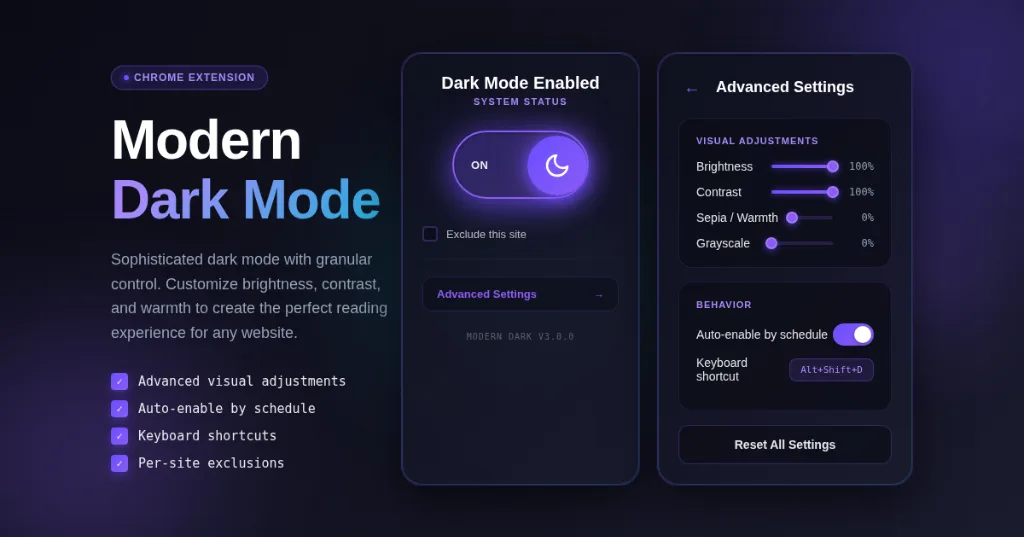
Password managers, ad blockers, dark mode tools, note-taking clippers, and translation tools almost always have Firefox versions.
What's different on Firefox
- Ad blocking: Firefox kept support for the older blocking API that Chrome removed with Manifest V3, so the full uBlock Origin still works in Firefox.
- Built-in privacy features: Enhanced Tracking Protection blocks many trackers by default, so you may need fewer privacy extensions.
- Containers: Mozilla's Multi-Account Containers keep sites separated in the same window, something Chrome profiles do less conveniently.
- Some Chrome features don't exist: extensions built on Chrome-only APIs, like Chrome's side panel, may not have a direct equivalent.
When there's no Firefox version
- Look for an alternative that does the same job; searching the add-on store by function often turns one up.
- Check whether Firefox has the feature built in, such as reader view, screenshots, or picture-in-picture.
- Keep Chrome for the one or two tools you can't replace.
Bring your data across
Firefox can import bookmarks, history, and saved passwords from Chrome during setup or from its Import option. Extension settings don't transfer, so export any settings an extension offers before switching. If you're choosing between browsers for privacy, see Chrome vs Brave vs Firefox.