Ghostery vs Ghost Browser: Completely Different Purpose Explained
Patrick Bushe
August 5, 2024 · 5 min read
The names are similar, but the tools do opposite things. Ghostery stops trackers from collecting data about you. Ghost Browser lets trackers collect data, but feeds them noise so the profile they build is less accurate. Disclosure: Ghost Browser is made by Bushe.co.
Ghostery: block the trackers
Ghostery is a long-running privacy extension. It:
- blocks ads and known trackers on the pages you visit;
- shows which trackers each page tried to load, grouped by type;
- can reject cookie consent pop-ups for you ("Never-Consent").
Ghostery also runs a private search engine, Ghostery Private Search, which is likely what people mean by the "Ghost search engine". It's a separate product from the extension.
Ghost Browser: muddy the profile
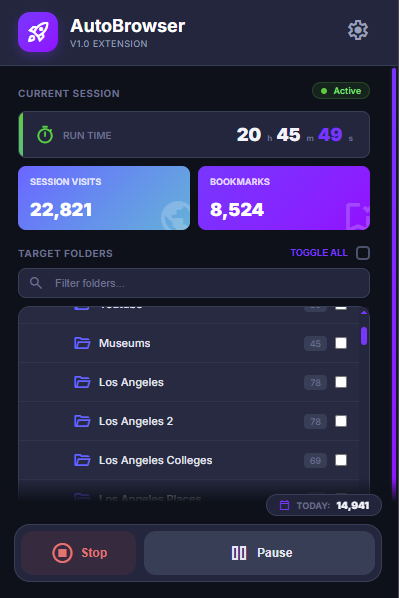
Ghost Browser visits random, ordinary websites in the background (government sites, museums, sports teams, nonprofits and so on). Ad trackers on those sites log the visits, so the interest profile built about you fills up with topics you don't care about, which makes targeting less precise. You can set how many sites it visits per hour, how long it stays on each, a schedule, or run it only when you're away from the computer. It can also remove its own visits from your history.
Which one do you need?
- To stop tracking where it happens: a blocker such as Ghostery or uBlock Origin Lite. This is the stronger protection for most people.
- To weaken profiles built from data that gets through anyway (on sites where you allow trackers, or in other browsers and apps): an obfuscation tool such as Ghost Browser.
- Both: they don't conflict. The blocker protects your real browsing; Ghost Browser's background visits add noise.
Note that a blocker in the same browser will block trackers on Ghost Browser's visits too, which reduces the noise it creates. If you use both, you can run Ghost Browser in a separate Chrome profile that has no blocker.
Not to be confused with
There's also a desktop browser called Ghost Browser, made by a different company, for people who manage many logins (for example social media managers). It's unrelated to the Bushe.co extension.
Trade-offs to know
- Blockers occasionally break a site; you can turn them off for that site.
- Obfuscation uses some bandwidth and doesn't hide your real visits; it dilutes them.
- Neither hides your IP address. For that you need a VPN or similar.
For a full privacy setup, see privacy extensions that work together.