Best Chrome Extensions for Online Privacy in 2026 That Work Together
Patrick Bushe
August 14, 2024 · 5 min read
The best privacy setup in Chrome is a few extensions that each do a different job, not ten that overlap. Every extension you add can see the pages you visit, so fewer, well-chosen ones are safer as well as faster. Here's a set that fits together.
Start with Chrome's own settings
- Block third-party cookies: Settings → Privacy and security → Third-party cookies.
- Turn on Always use secure connections under Security, which replaces the old HTTPS Everywhere extension.
- Turn off "Make searches and browsing better" and usage reporting. See what data Chrome sends to Google.
1. One content blocker
A content blocker stops ads and trackers from loading, which is the biggest privacy gain an extension can give. uBlock Origin Lite is the common choice now that Chrome only runs Manifest V3 extensions. Pick one blocker only: two blockers fight over the same pages and break sites. Privacy Badger, from the EFF, takes a different approach by learning which trackers follow you, and can work alongside a blocker, but most people don't need both.
2. A cookie banner handler
Cookie banners push you toward "accept all". Cookie Auto-Reject clicks "reject" on them for you, so sites only set the cookies they need. Avoid extensions that just hide banners or click "accept", which saves time but gives away consent.
3. A password manager
Unique passwords for every site limit the damage when a site is breached. A password manager extension such as Bitwarden, 1Password or Chrome's own Google Password Manager fills them in for you. Use one, not several.
4. A WebRTC fix, if you use a VPN
WebRTC, used for video calls, can reveal your real IP address even with a VPN on. Chrome has no setting for it. WebRTC Privacy Shield sets Chrome's WebRTC policy so calls still work but your real address isn't exposed.
Optional: muddy your ad profile
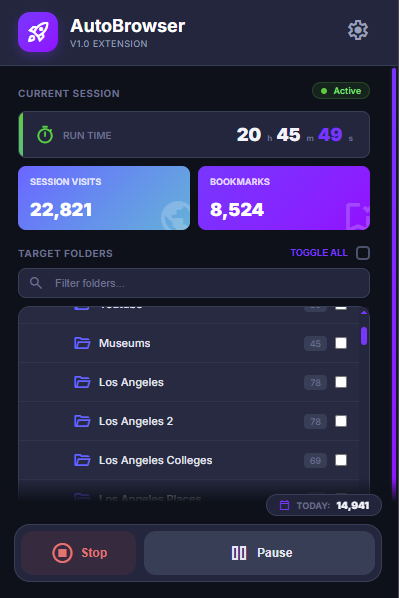
Ghost Browser visits random, ordinary websites in the background to blur the interest profile ad trackers build about you. It works on a different idea from blocking, so it can run alongside a content blocker. It uses some bandwidth, and you can schedule it or run it only when you're idle.
What to leave out
- Extra ad blockers or "all-in-one" privacy suites that duplicate your content blocker.
- Free VPN extensions from unknown companies. They can see all your browsing, and some sell it.
- Abandoned extensions. Check the "Updated" date on the Web Store. Old privacy tools can become a risk if they're sold to a new owner.
Review your extensions every few months at chrome://extensions and remove anything you no longer use.