How Chrome Extension Permissions Work and What Each One Means
Patrick Bushe
January 24, 2025 · 5 min read
When you install an extension, Chrome lists what it will be able to do. Those warnings are short and a little scary, but each one maps to a specific ability. Here's what the common ones mean and how to decide whether an extension really needs them.
"Read and change all your data on all websites"
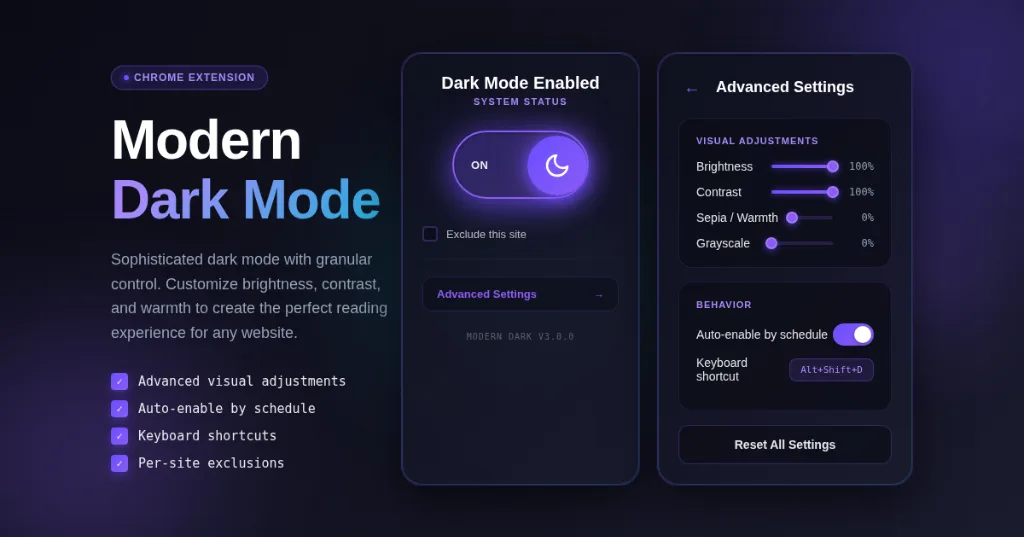
The extension can see and change the content of every page you open, including what you type into forms. Extensions that work on any page need this: ad blockers, dark mode, password managers, grammar checkers. It's also the permission a malicious extension would want, so it's worth thinking twice about extensions that ask for it without an obvious reason.
A narrower version, "Read and change your data on" followed by a list of sites, means it only works on those sites.
Other common warnings
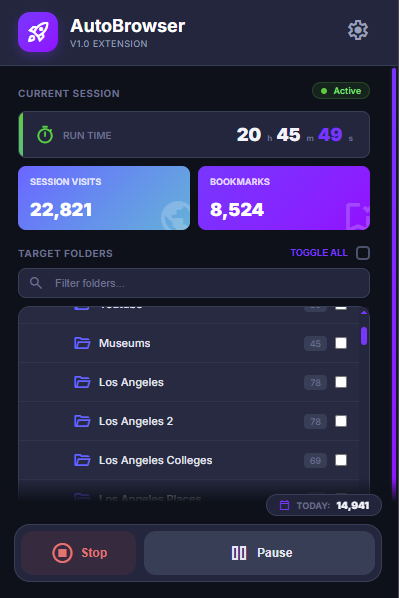
- Read and change your browsing history: it can see and delete pages from your history. Tab and history managers use it. Ghost Browser, for example, asks for it so it can remove the background visits it makes from your history.
- Read and change your bookmarks: bookmark tools and new tab pages.
- Manage your downloads: it can start, see and manage downloads.
- Display notifications: it can show system notifications.
- Read data you copy and paste or modify data you copy and paste: clipboard access, used by clipboard managers.
- Change your privacy-related settings: it can change Chrome's privacy options. WebRTC Privacy Shield uses this to set how Chrome handles WebRTC.
- Manage your apps, extensions, and themes: it can turn other extensions on or off. Rare, and worth a closer look.
- Communicate with cooperating native applications: it talks to a program installed on your computer, such as a password manager's desktop app.
- Replace the page you see when opening a new tab or change your search settings: new tab and search extensions. A common sign of adware if you didn't expect it.
Some abilities show no warning at all, such as storing its own settings or the "active tab" permission, which only lets it act on the current page when you click its icon.
How to limit what an extension can do
- Open the extension's Details page in
chrome://extensionsand set Site access to On click or On specific sites. - Leave Allow in Incognito off unless you need it.
- Remove extensions you no longer use. Fewer extensions means fewer things that can see your pages.
When an update asks for more
If an update adds a permission that needs a new warning, Chrome turns the extension off until you approve. Pause there: a sudden request for access to all sites or your history, especially after an extension has changed owners, is a reason to check reviews before saying yes.
A quick way to judge
Ask whether each permission matches what the extension does. A dark mode tool needs to change pages; it doesn't need your downloads or browsing history. A word counter needs to read the page you're on, but not every site all the time. Mismatches are the red flag.