Sensory Overload From Busy Websites: How to Calm the Noise
PB
Patrick Bushe
August 7, 2025 · 5 min read
Some websites are exhausting to be on: a video starts playing, an ad slides in, a pop-up asks for your email, and something in the corner keeps moving. For people with ADHD, autism, migraines, or sensory sensitivity, that isn't just annoying. It can make a page unusable.
What makes a page overwhelming
- Motion: autoplay video, animated ads, carousels, and parallax scrolling.
- Interruptions: pop-ups, cookie banners, chat widgets, and notification requests.
- Clutter: sidebars, related links, and ads competing with the text.
- Harsh contrast and bright white backgrounds, especially at night.
Quick fixes in Chrome
- Reader mode. Chrome's reading mode opens the article text in a side panel without the rest of the page. Right-click the page and choose "Open in reading mode".
- Stop autoplay sound. Right-click a noisy tab and mute the site, or block sound for it in Chrome's site settings.
- Turn on reduced motion in your operating system (Reduce motion on Mac and iPhone, Show animations off on Windows). Well-built sites respect it and calm their animations.
- Block notification requests in Chrome's settings, under notifications, so sites can't ask.
Extensions that calm things down
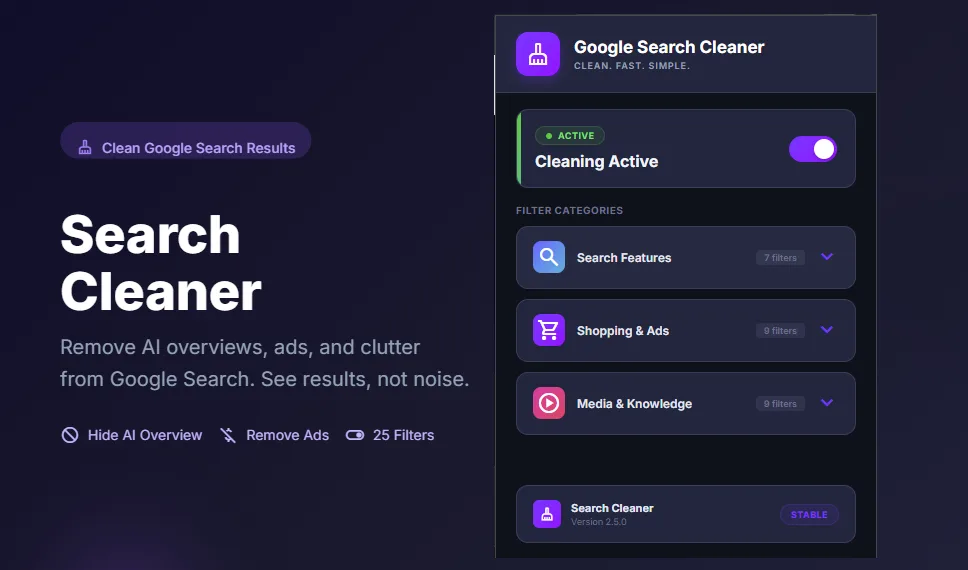
- An ad and tracker blocker removes most moving ads.
- Cookie Auto-Reject dismisses cookie banners by rejecting them, so you're not interrupted on every new site.
- ADHD Reading Focus highlights one paragraph at a time and dims the rest.
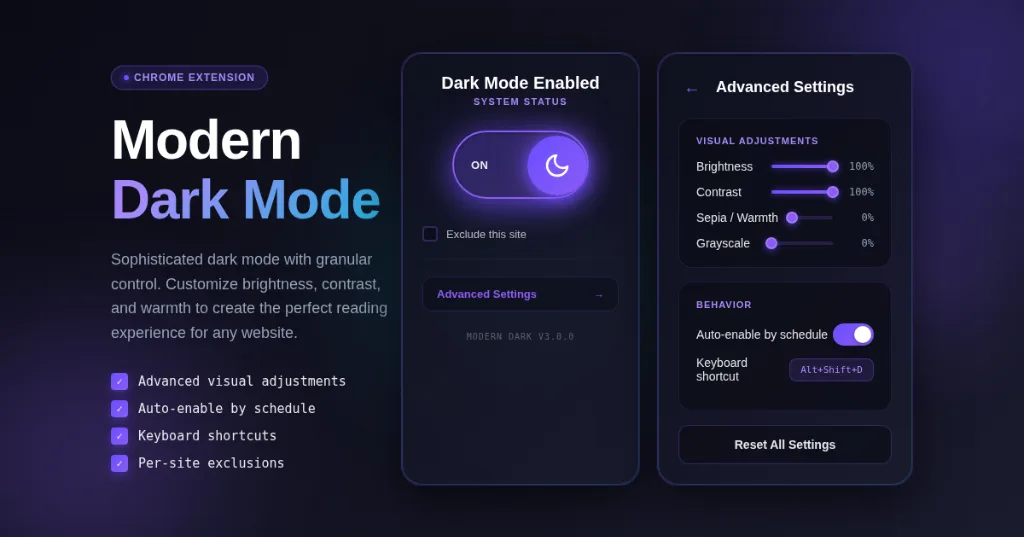
- Modern Dark Mode softens bright pages in dim light.
Build a calmer default
Set these up once and most of the web gets quieter without you thinking about it. For the underlying cause, motion sensitivity and animated content explains why motion hits some people so hard and what sites should be doing about it.